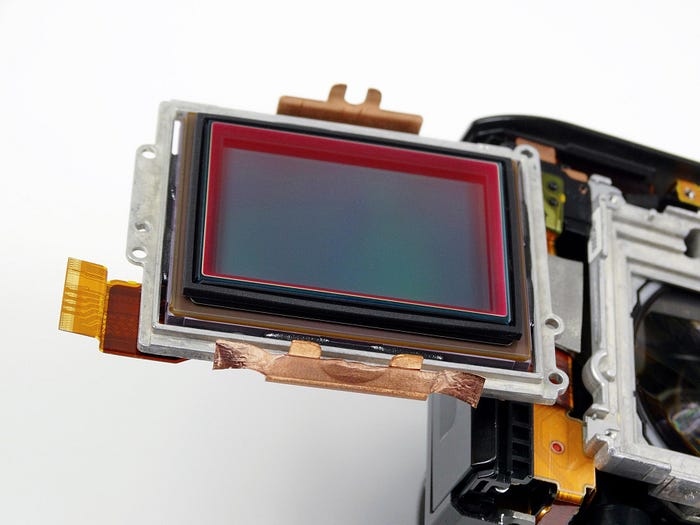
Focus Keyword: Electronic Sensors
Introduction
Electronic sensors have become an essential part of modern technology, improving safety, automation, and efficiency across industries. From retail security systems to industrial automation, healthcare devices, and smart homes, electronic sensors help detect changes in the environment and convert them into useful signals for monitoring and control.
Whether you’re a business owner looking for reliable security solutions or simply interested in understanding how sensor technology works, knowing the different types of electronic sensors can help you choose the right solution for your needs.
In this guide, we’ll explore the top five types of electronic sensors, their applications, benefits, and why they are important in today’s technology-driven world.
What Are Electronic Sensors?
Electronic sensors are devices that detect physical, chemical, or environmental changes and convert them into electrical signals. These signals are then processed by electronic systems to trigger alerts, automate processes, or collect valuable data.
Today, electronic sensors are widely used in:
Retail security systems
Industrial manufacturing
Medical equipment
Smart home automation
Automotive safety systems
Environmental monitoring
Their ability to provide accurate, real-time information makes them an essential component of modern electronic systems.
Top 5 Types of Electronic Sensors
1. Proximity Sensors
Without making physical contact, proximity sensors identify the existence of things in close proximity. They use technologies such as infrared, ultrasonic, magnetic, or capacitive sensing to identify objects.
Common Applications
Retail anti-theft systems
Automatic doors
Parking assistance systems
Mobile devices
Manufacturing automation
Benefits
Contactless detection
Fast response time
Long operational life
Low maintenance requirements
Proximity electronic sensors are particularly valuable in retail environments where products need secure monitoring without affecting customer experience.
2. Temperature Sensors
Temperature sensors measure heat levels and convert temperature changes into electrical signals. These sensors help maintain safe operating conditions in numerous industries.
Common Applications
HVAC systems
Medical equipment
Food storage
Industrial machinery
Consumer electronics
Benefits
Accurate temperature monitoring
Energy efficiency
Equipment protection
Improved product quality
Temperature electronic sensors play a critical role in preventing overheating and maintaining consistent environmental conditions.
3. Motion Sensors
Motion sensors detect movement within a specific area. They commonly use infrared (PIR), microwave, or ultrasonic technology to monitor motion.
Common Applications
Home security systems
Retail stores
Office buildings
Smart lighting
Warehouses
Benefits
Enhanced security
Reduced energy consumption
Automated lighting
Immediate intrusion detection
Businesses frequently install motion electronic sensors to improve security while reducing unnecessary energy costs.
4. Pressure Sensors
Pressure sensors measure force applied by liquids or gases and convert the measurements into electrical outputs.Both commercial and industrial systems make extensive use of them.
Common Applications
Automotive systems
Hydraulic equipment
Water management
Medical devices
Industrial automation
Benefits
High measurement accuracy
Improved equipment performance
Predictive maintenance
Increased operational safety
Pressure electronic sensors help businesses maintain system reliability while reducing downtime.
5. Photoelectric Sensors
Light beams are used by photoelectric sensors to determine an object’s presence, absence, or distance. These sensors are frequently used in automation and retail settings and are very dependable.
Common Applications
Conveyor systems
Packaging lines
Warehouse automation
Retail display protection
Object counting systems
Benefits
High precision
Long detection range
Non-contact operation
Fast response
Photoelectric electronic sensors are an excellent choice for businesses requiring accurate object detection in fast-paced environments.
Why Are Electronic Sensors Important?
Modern businesses rely on electronic sensors because they improve safety, accuracy, and operational efficiency. They provide real-time monitoring, reduce manual intervention, and help prevent costly errors.
Key advantages include:
Increased workplace safety
Better equipment monitoring
Reduced operational costs
Improved automation
Faster response times
Reliable data collection
Enhanced security systems
As technology continues to evolve, electronic sensors will become even more intelligent, supporting AI-powered automation and predictive maintenance across multiple industries.
How to Choose the Right Electronic Sensors
Selecting the right sensor depends on several important factors:
Identify your application requirements.
Consider environmental conditions.
Evaluate detection range and accuracy.
Choose sensors compatible with existing systems.
Prioritize durability and long-term reliability.
Work with trusted sensor suppliers for quality assurance.
A well-selected electronic sensor solution improves efficiency while minimizing maintenance costs.
Conclusion
Electronic sensors are revolutionizing company operations, from industrial automation to retail security. Understanding the different types — including proximity, temperature, motion, pressure, and photoelectric sensors — helps you make informed decisions for your organization.
Investing in high-quality electronic sensors not only enhances safety but also improves productivity, reduces operational costs, and prepares your business for future technological advancements.
Frequently Asked Questions

1. What are electronic sensors used for?
Electronic sensors detect physical or environmental changes and convert them into electrical signals. They are used in security systems, industrial automation, healthcare, automotive technology, and smart homes.
2. Which type of electronic sensor is best for retail security?
Proximity sensors and photoelectric sensors are commonly used in retail security systems because they provide accurate, non-contact detection and help prevent theft.
3. How long do electronic sensors typically last?
Most high-quality electronic sensors have a lifespan of several years, depending on operating conditions, maintenance, and usage frequency.
4. Can electronic sensors improve business efficiency?
Yes. Electronic sensors automate monitoring, reduce human error, enhance safety, improve productivity, and lower maintenance costs across various industries.
Ready to Upgrade Your Sensor Solutions?
Looking for reliable electronic sensors for retail security, industrial automation, or commercial applications? Our experts can help you choose the right sensor technology tailored to your business needs. Contact us today to discover high-performance electronic sensor solutions that enhance safety, efficiency, and long-term reliability.


Comments
Post a Comment