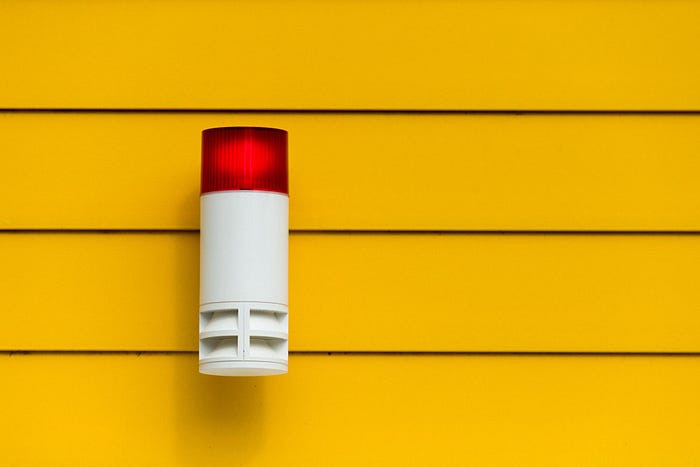
Choosing the right alarm systems is an important decision for protecting your home, business, employees, and valuable property. With so many options available, it can be easy to focus only on price or basic features while overlooking important factors such as coverage, monitoring, installation, and scalability.
A reliable alarm system should match your security requirements and provide dependable protection when you need it most. Here are five common mistakes to avoid when selecting an alarm system.
1. Choosing an Alarm System Based Only on Price
Choosing an alarm system based only on its lowest initial cost is one of the most frequent errors. While saving money is important, a cheaper system may not provide the features, reliability, or coverage your property requires.
The whole cost of ownership, which includes equipment, installation, monitoring, maintenance, and any upgrades, should be taken into account before making a choice.Compare what each system actually includes rather than comparing prices alone.
Tip: Create a security budget and choose a system that offers the right balance of reliability, features, and long-term value.
2. Ignoring Your Property’s Security Requirements
Every property has different security needs. A small apartment, retail store, warehouse, office, and large commercial building may require completely different security solutions.
Before choosing alarm systems, evaluate important areas such as entrances, windows, storage areas, high-value merchandise, restricted spaces, and other vulnerable points.
Consider questions such as:
How large is the property?
How many entry points need protection?
Do you need motion detection?
Are there areas requiring additional sensors?
Will the system need to support future expansion?
You can avoid buying equipment that offers inadequate or superfluous coverage by being aware of the needs of your property.
3. Overlooking Professional Installation
Assuming that every alarm system can be installed without expert help is another error. While some basic systems are designed for DIY installation, complex commercial or larger residential properties may benefit from professional setup.
Incorrect sensor placement, poor configuration, or installation errors can reduce the effectiveness of a security system. Professional installation can help ensure that components are positioned correctly and that the system is configured according to the property’s needs.
If you choose a professionally installed system, ask about installation procedures, testing, warranties, and ongoing technical support.
4. Forgetting About Monitoring and Alerts
An alarm can detect an event, but you should also consider how you will be notified when something happens. Depending on the system, alerts may be delivered through mobile applications, text messages, phone calls, or professional monitoring services.
When comparing alarm systems, understand exactly how alerts work and what happens after an alarm is triggered.
Ask the provider:
What type of monitoring is available?
How quickly are alerts delivered?
Can I receive notifications remotely?
What happens if internet connectivity is interrupted?
Is backup communication available?
Understanding these details can help you choose a system that provides appropriate awareness when an alarm event occurs.
5. Failing to Consider Future Expansion
As your property, business, or operations expand, your security needs may also. Choosing a system that cannot easily accommodate additional sensors or devices can create unnecessary costs later.
Look for alarm systems that offer flexibility and compatibility with additional security equipment. Depending on your needs, future additions could include extra sensors, access control, cameras, environmental monitoring devices, or other security technologies.
A scalable system allows you to expand protection without replacing the entire setup.
What Qualities Should an Alarm System Have?
Before making your final decision, consider the following features:
Reliable sensors and detection technology
Appropriate property coverage
Mobile or remote notifications
Professional installation options
Monitoring services when required
Backup power or communication options
Easy-to-use controls
Compatibility with additional security equipment
Warranty and technical support
Scalability for future needs
The best solution isn’t necessarily the system with the most features.It is the one that offers your particular property the ideal balance of protection, usability, dependability, and value.
Frequently Asked Questions

1. What is the most important factor when choosing alarm systems?
The most crucial aspect is whether the system satisfies the particular security needs of your home. Coverage, reliability, monitoring, installation, and future expansion should all be considered.
2. Are expensive alarm systems always better?
Not necessarily. Better protection does not always come at a higher cost. Compare features, reliability, coverage, support, and long-term costs before making a decision.
3. Should I choose professional or DIY installation?
It depends on the property and system. While larger or more complicated properties might benefit from professional installation, simpler configurations might be appropriate for do-it-yourself installation.
4. Can an alarm system be expanded later?
Many modern systems can be expanded with additional sensors and compatible devices. Check the system’s specifications and expansion capabilities before purchasing.
Conclusion
It takes more than just comparing costs and features to choose the best alarm systems. You may make a better choice if you comprehend the security needs of your property, think about hiring a skilled installer, examine your monitoring alternatives, and prepare for future growth.
Avoid these five common mistakes and focus on choosing a security solution that provides dependable protection and practical functionality.
Ready to Improve Your Security?
Don’t leave your property’s protection to guesswork. Evaluate your security needs today and choose an alarm system designed around your property’s unique requirements. A well-planned security solution can provide greater confidence, better awareness, and stronger protection for what matters most.


Comments
Post a Comment